Knee Injections Explained: A Safe, Non-Surgical Solution for Lasting Joint Pain Relief
Discover how knee injections relieve arthritis and joint pain safely. Learn about types, benefits, and recovery with Skinserity’s expert orthopedic care.

If knee pain is making it harder to move, exercise, or even enjoy daily life, you’re not alone and it’s actually more common than you would imagine. Whether caused by arthritis, injury, or wear and tear, joint pain can seriously affect your mobility and comfort. But here’s how a knee injection can make a difference.
A knee injection, or sometimes called a knee gel injection, is a targeted treatment that delivers medication or lubricating substances directly into the knee joint to reduce pain, improve movement, and delay the need for surgery.
In this article, we’ll explore what knee injections are, how they work, and who can benefit from them, helping you make an informed decision about whether this treatment may be the right one for you.
What is a Knee Injection?
Imagine the simple act of walking (something many of us take for granted) becoming a daily source of pain. For millions, this is a reality. Knee injections offer a minimally invasive, non-surgical pathway back to comfort and mobility.
At its core, a knee injection is a targeted medical procedure that delivers medication directly into the joint. It’s designed to reduce inflammation and relieve pain; often for those dealing with osteoarthritis, recovering from injury, or living with chronic joint discomfort.
How Do Knee Injections Work?
When pain takes root deep inside your knee, surface-level treatments often fall short. That’s where knee injections step in, delivering medication directly into the joint, where it’s needed most.
Here’s how the process typically works:
Step 1: Initial Consultation and Diagnosis
You’ll meet with an orthopedic specialist who evaluates your symptoms, medical history, and imaging (like X-rays or MRI). This helps determine the type and cause of your knee pain — whether it’s arthritis, injury, or overuse — and whether injections are the right next step.
Step 2: Preparation for the Procedure
The skin around your knee is thoroughly cleaned, and a local anesthetic is used to numb the area, ensuring you’re comfortable during the injection.
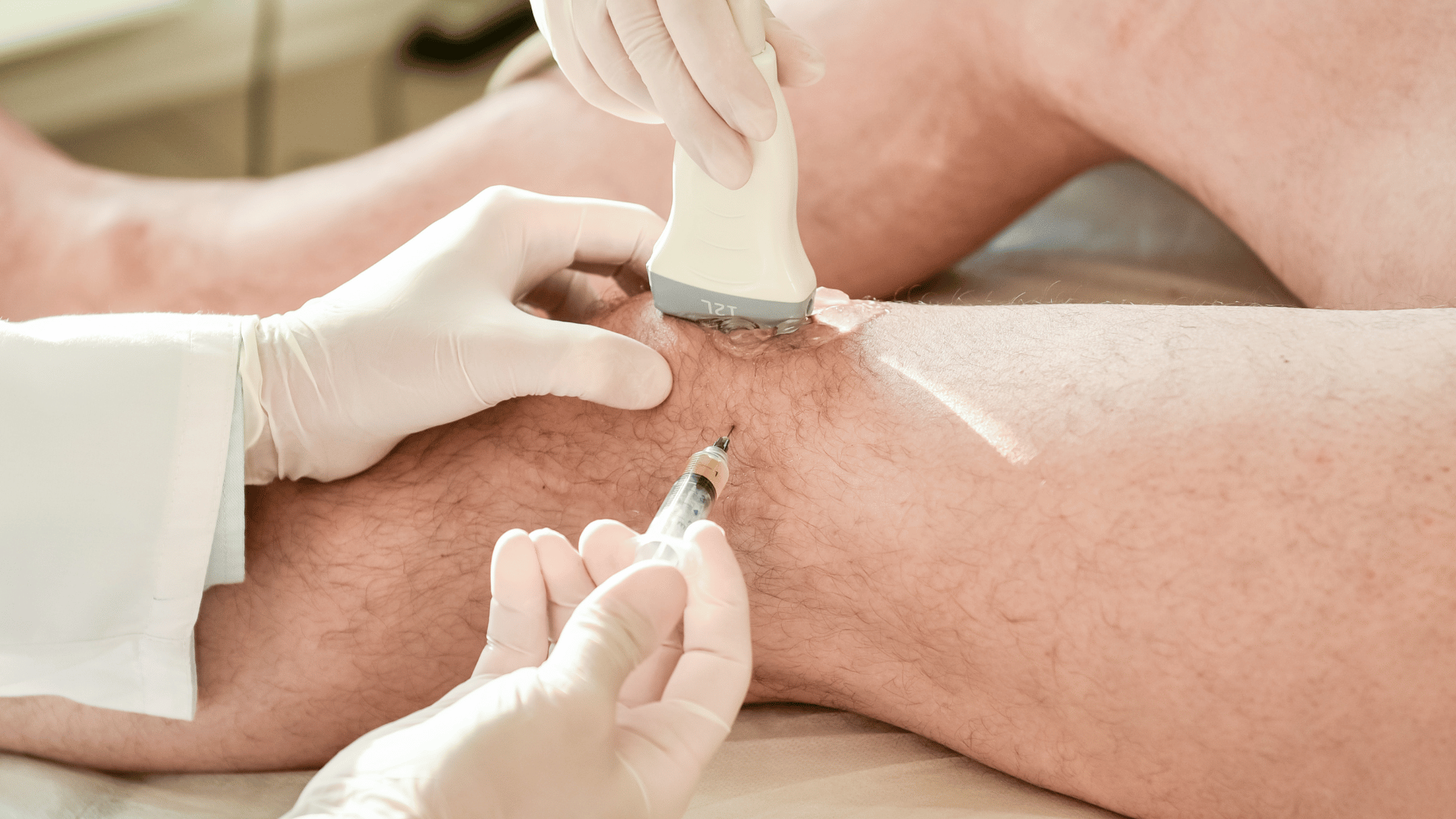
Step 3: Ultrasound-Guided Injection
Using ultrasound for real-time accuracy, the specialist delivers the medication directly into the joint space. This ensures precision and improves the effectiveness of the treatment.
Step 4: Minimal Downtime, Maximum Care
Most patients can resume normal activities the same day, though light movement is encouraged over intense exercise for the first 24–48 hours.
Step 5: Results and Relief Timeline
Relief can begin gradually within 4 to 12 weeks. Depending on the type of injection, results may last from a few weeks up to 6 months.
Step 6: Ongoing Maintenance (If Needed)
For chronic conditions, repeat injections every 3–6 months may be recommended as part of a long-term pain management and mobility plan.
What Are The Different Types of Knee Injections?
Now there isn’t just one type of injection, and that’s for a reason. Depending on your specific needs, you and your provider might consider different ones to target different issues.
Let’s take a look at the three options available:
1. Corticosteroid Injections: Fast-Acting Relief for Inflammation
Corticosteroid injections are often the first line of treatment for acute flare-ups. These powerful anti-inflammatory agents offer rapid relief from swelling, stiffness, and pain. While the effects may not be permanent, they can provide much-needed breathing room for those dealing with arthritis or injury-related inflammation.
2. Hyaluronic Acid Injections: Restoring Cushion and Lubrication
Think of hyaluronic acid as the joint's natural lubricant. In healthy knees, it helps reduce friction and absorbs shock. When arthritis wears it down, movement becomes painful. These injections aim to replenish that cushion, making each step smoother - quite literally. Relief may take a few weeks, but the benefits can last for months.
3. Platelet-Rich Plasma (PRP): Healing From Within
PRP therapy taps into your body’s own regenerative power. By using a concentrated sample of your blood’s platelets, this injection promotes healing in damaged tissue. PRP is especially promising for people seeking a more natural, long-term approach or one that supports the body’s ability to repair itself over time.
Each of these treatments serves a different purpose, and the right choice depends on your condition, lifestyle, and goals. But they all share one thing in common: the possibility of moving toward a life with less pain, and more living.
Conditions Treated with Knee Injections
When movement becomes difficult or daily life starts to shrink, it’s often a sign that deeper joint issues are at play. Knee injections are designed to treat not just the symptoms, but the sources of that pain.
Here are some of the most common conditions where knee injections may offer relief:
Osteoarthritis
The most frequent reason people seek knee injections. As cartilage wears away with age or stress, bones begin to rub together, causing stiffness and pain. Injections help reduce inflammation and restore mobility and give joints a second chance at movement.
Rheumatoid Arthritis
This autoimmune condition causes the body to attack its own joints, leading to chronic inflammation. Knee injections can ease swelling and discomfort, helping manage flare-ups and protect joint health over time.
Bursitis and Tendon Inflammation
When the protective fluid-filled sacs or surrounding tendons become irritated, often due to repetitive movement, the result is sharp, persistent pain. Injections target the inflammation at its source, calming the irritated tissue and promoting recovery.
Meniscus or Cartilage Wear
Injuries or degeneration of the knee’s cushioning structures can cause catching, locking, or aching. Injections won’t rebuild cartilage, but they can provide pain relief and improve function, especially when surgery isn’t an immediate option.
Sports and Overuse Injuries
From runners to weekend warriors, repeated stress on the knee can lead to inflammation, micro-tears, or lingering soreness. Strategic injections can support healing and get athletes back in motion safely.
Diagnostic Applications
In some cases, knee injections are used diagnostically, either guided by imaging like ultrasound or X-ray, or combined with dyes to track pain sources. These techniques not only relieve pain but also help pinpoint exactly what’s going on inside the joint.
Knee injections are often recommended when first-line treatments like oral medications, rest, ice, or physiotherapy haven’t provided enough relief. They’re not just a next step; they’re a thoughtful, targeted option for people who are ready to feel better, move more, and live fuller lives.
Benefits of Knee Injections
Knee injections offer a meaningful step toward reclaiming comfort, mobility, and confidence in your everyday routine.
Here’s what patients often experience:
- Improved Mobility and Flexibility: As inflammation subsides and cushioning improves, many patients regain smoother, easier movement — making everyday tasks feel possible again.
- A Non-Surgical Option: For those hoping to delay or avoid knee surgery, injections offer a less invasive, lower-risk alternative with quicker recovery and no hospital stay.
- Supports the Body’s Healing Process: Treatments like platelet-rich plasma (PRP) work with your body’s natural repair system to stimulate tissue healing over time — not just mask the symptoms.
- Quick, Safe, and Convenient: Most procedures take less than 30 minutes, require minimal downtime, and are done in a clinic setting, with many patients resuming light activity the same day.
Who Is a Good Candidate for Knee Injections?
Knee injections are a promising option for many individuals looking to ease joint pain without surgery. Ideal candidates often include those with:
- Mild to moderate osteoarthritis
- Cartilage wear or meniscal damage
- Sports-related injuries
- Chronic inflammation or overuse symptoms
These treatments are especially valuable for people seeking non-surgical pain relief that allows them to stay active and delay more invasive procedures.
However, injections may not be suitable for everyone. They’re typically not recommended for individuals with severe joint degeneration, active joint infections, or those with certain bleeding or immune conditions.
Because each case is unique, the best next step is to consult with an orthopedic specialist. They can assess your condition, review imaging, and help determine if a knee injection is a safe and effective part of your treatment plan.
Limitations of Knee Injections
While knee injections can offer powerful relief, it's important to understand what they can and can’t do.
These treatments can reduce pain and inflammation, but they don’t reverse cartilage loss or cure underlying conditions like arthritis.
Results can vary depending on factors such as age, weight, activity level, and the severity of joint damage. In many cases, injections work best as part of a broader plan that includes physical therapy, exercise, and healthy weight management.
Why Choose Skinserity for Knee Injections
At Skinserity, we believe that treating knee pain is about delivering complete, compassionate care tailored to your long-term joint health.
Our approach brings together board-certified orthopedic specialists and skilled physiotherapists, working collaboratively to design a plan that meets your unique needs. From the initial consultation to post-treatment support, you’re guided by a team that prioritizes both precision and comfort.
We use modern, image-guided injection techniques to ensure every treatment is delivered with the highest level of accuracy - reducing discomfort and improving results. And it doesn’t stop there: our care model includes post-injection physiotherapy, ongoing progress tracking, and adjustments to keep your recovery on the right path.
Relief, Mobility, and Confidence Restored
Knee injections offer more than just symptom relief, they represent a safe, targeted, and minimally invasive way to reclaim your movement and reduce daily pain.
At Skinserity, we’re here to support you every step of the way with expert care, proven methods, and a compassionate team that listens. If knee pain is holding you back, schedule a consultation with our orthopedic team to explore your treatment options and take the first step toward lasting relief.
Frequently Asked Questions About Knee Injections
How long do knee injections last?
Results vary — corticosteroids last weeks to months; hyaluronic acid up to 6 months; PRP can last even longer.
Are knee injections painful?
Mild discomfort only; numbing agents are used to ensure a comfortable experience.
Is there any downtime after a knee injection?
Minimal. Most patients resume light activity the same day. Avoid strenuous exercise for 24 hours.
Can knee injections replace surgery?
For many patients, yes. They can delay or even avoid surgery, especially when combined with physiotherapy.
How many sessions will I need?
It depends on your condition and type of injection — typically 1–3 sessions spaced a few weeks apart.